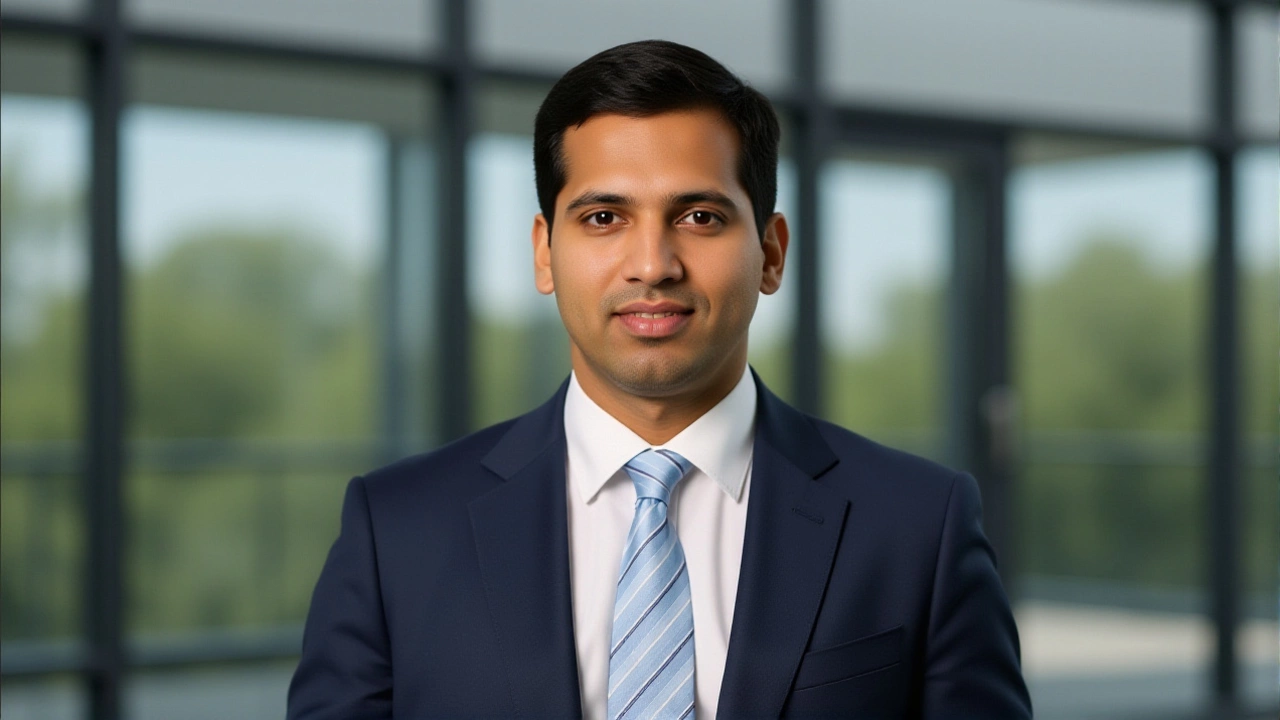
When Faisal Islam walked out of Sky News’ Westminster studio in June 2019, he didn’t just leave a job—he left a chapter defined by Brexit battles, election nights, and late-night cabinet leaks. Two months earlier, in November 2018, the BBC had quietly announced he’d be stepping into one of British journalism’s most influential roles: BBC News’s new economics editor. The move wasn’t just a career change. It was a homecoming. After five years immersed in the chaos of politics, Islam was returning to the numbers—interest rates, inflation, trade deficits, and the quiet, devastating logic of markets that no politician can fully control.
A Journalist Who Speaks Numbers
Islam’s career began not in political studios, but in the boardrooms and financial corridors of the early 2000s. As business correspondent for Channel 4 News from 2004, he reported on PFI contract failures, arms deals funded by taxpayers, and how bankers were betting on weather patterns. His 2009 coverage of the Icelandic banking collapse earned him the Broadcast News Reporter of the Year award. Judges called his writing “a rare gift: turning abstract spreadsheets into human stories.” He didn’t just explain GDP—he showed what it meant when a family lost their home because a bank collapsed halfway across the world.His 2017 Royal Television Society award for interviewing David Cameron proved he could hold power to account, but it was his tone—calm, precise, never shrill—that set him apart. “You don’t need to shout to make people listen,” he once told CA Magazine. “Sometimes, the quietest voice carries the most weight.”
The Political Years: Sky News and the Brexit Storm
Islam took over as Sky News political editor in September 2014, just weeks before the Scottish independence referendum. He inherited the role from Adam Boulton, who moved to host “All Out Politics.” For five years, Islam became the face of Sky’s political coverage: debating MPs on live TV, breaking stories during election campaigns, and navigating the surreal chaos of Brexit. His tenure saw him interview every major UK leader—from Theresa May to Jeremy Corbyn—often under deadlines that felt more like emergencies.But by mid-2019, the toll was visible. “There’s a slightly more wholesome relationship with people if you’re talking about economics than when you’re talking politics,” Islam told CA Magazine in April 2025. “In politics, you’re always on guard. In economics, people want to understand. They’re not trying to win an argument—they’re trying to survive.”
When he left in June 2019, he was succeeded by Beth Rigby, his former deputy. Her promotion signaled a generational shift at Sky News, while Islam’s departure marked the end of an era defined by confrontation.
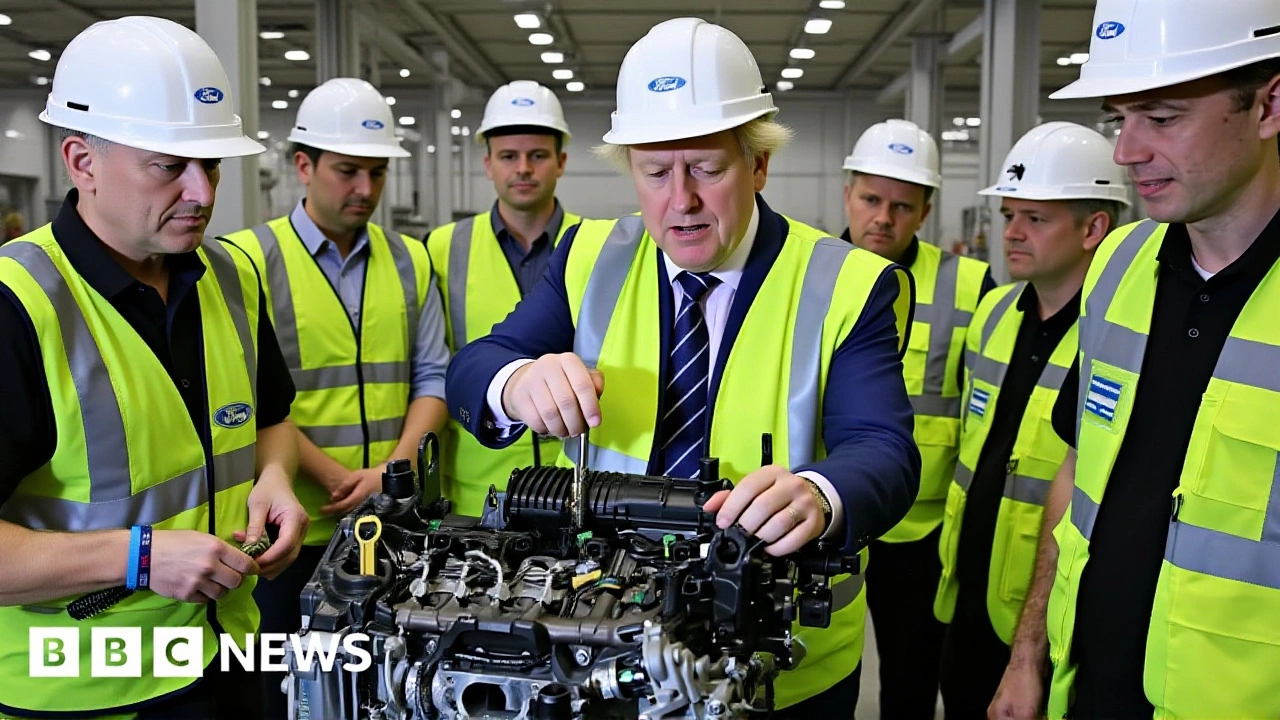
Back to the Numbers: The BBC’s Economic Anchor
Replacing Kamal Ahmed, Islam stepped into a role that had become more critical than ever. The UK was emerging from Brexit, inflation was rising, and the Bank of England was under fire. His first major assignment? Explaining why interest rates had jumped to 5.25% in 2023—the highest in 15 years—and what it meant for mortgages, small businesses, and pensioners.He didn’t just report the numbers. He traced them back to the 2008 crash, to the 2016 referendum, to the pandemic’s supply chain chaos. His segments on Newsnight—which he began occasionally presenting in 2020—became must-watch moments for anyone trying to make sense of the economy. His calm delivery during the 2022 mini-budget crisis, when markets plunged after Kwasi Kwarteng’s tax cuts, was widely credited with preventing panic.
Legacy in a Time of Turbulence
Islam’s career spans two decades of financial upheaval: the fall of Lehman Brothers, the rise of fintech in India and Singapore, the collapse of Silicon Valley Bank, and now, the AI-driven reshaping of labor markets. He’s interviewed presidents, central bankers, and laid-off factory workers—all with the same quiet intensity.His father, a Mancunian accountant who worked through the 1980s deindustrialization, died in 2020. Islam’s eulogy didn’t mention awards or headlines. Instead, he spoke of ledgers, balance sheets, and how his father believed “money was just a way of keeping score for people’s dignity.” That’s the lens Islam still uses: economics as a story of human resilience.

What’s Next?
As of November 2025, Islam remains BBC News’s economics editor, with no signs of slowing. He’s reportedly advising producers on a new series exploring global inequality through the lens of currency fluctuations. Meanwhile, his occasional Newsnight appearances continue to draw record online engagement.With the next general election looming and the Bank of England’s next rate decision due in December, Britain needs voices like his—calm, credible, and deeply informed. Not a pundit. Not a provocateur. Just a man who knows how to read the numbers… and tell the truth behind them.
Frequently Asked Questions
Why did Faisal Islam leave Sky News for the BBC?
Islam returned to economics journalism after five years in politics, citing a desire for deeper, less adversarial conversations. He told CA Magazine in 2025 that economics fosters a “more wholesome relationship” with audiences than politics, where debates often devolve into performance. The BBC’s broader platform also offered him space to explore global economic trends beyond UK-specific headlines.
Who replaced Faisal Islam at Sky News?
Beth Rigby, who had served as Sky News’ deputy political editor since 2017, succeeded Islam in June 2019. Rigby had previously worked for The Telegraph and became one of the most prominent female political journalists in the UK. Her appointment marked a shift toward a younger, more data-driven style of political reporting at Sky.
What major economic events has Faisal Islam covered?
Islam has reported on the 2008 global financial crisis, the Icelandic banking collapse, Lehman Brothers’ bankruptcy, the 2016 Brexit vote’s market fallout, the 2020 pandemic-induced recession, the 2022 UK mini-budget crisis, and the 2023–2024 inflation surge. He was among the first British journalists to investigate how AI was displacing jobs in manufacturing hubs like the Midlands.
How has Islam’s reporting style changed since moving to the BBC?
At Sky, Islam’s tone was often urgent, shaped by the 24-hour news cycle and political deadlines. At the BBC, his approach has become more analytical and narrative-driven, often weaving personal stories—like a single mother’s struggle with childcare costs—into macroeconomic trends. His Newsnight segments now frequently include data visualizations and interviews with economists from the Bank of England and IMF.
What awards has Faisal Islam won for his journalism?
Islam has won the Broadcast News Reporter of the Year (2010), the Royal Television Society Award for Interview of the Year (2017) for his David Cameron interview, and was nominated for the British Muslim Awards’ Services to Media (2015). He also received the 2021 Journalism Excellence Award from the Society of Editors for his coverage of post-pandemic inflation.
Is Faisal Islam still on Newsnight?
Yes. Since 2020, Islam has regularly stepped in as a presenter on BBC’s Newsnight when regular hosts like Evan Davis or Kirsty Wark are unavailable. His appearances are now scheduled in advance and often focus on economic policy ahead of major announcements, such as the Autumn Statement or Bank of England rate decisions. His segments consistently rank among the show’s most-watched.

Post A Comment